Toscano Rosso
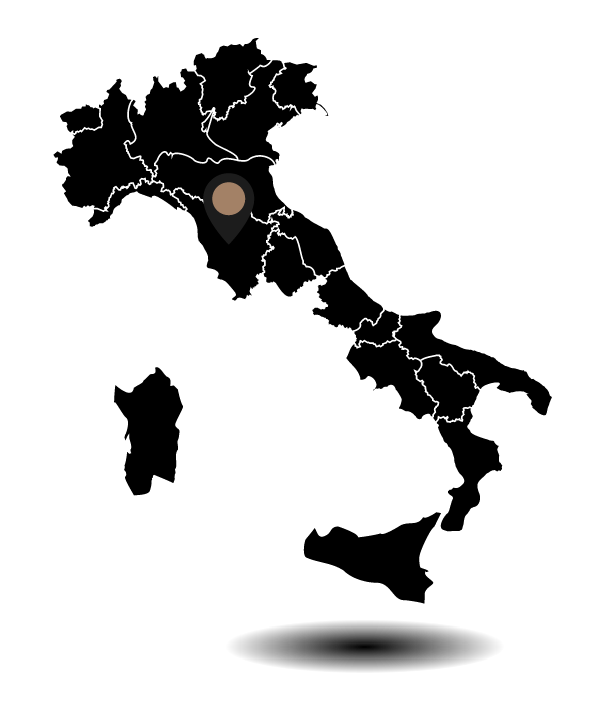
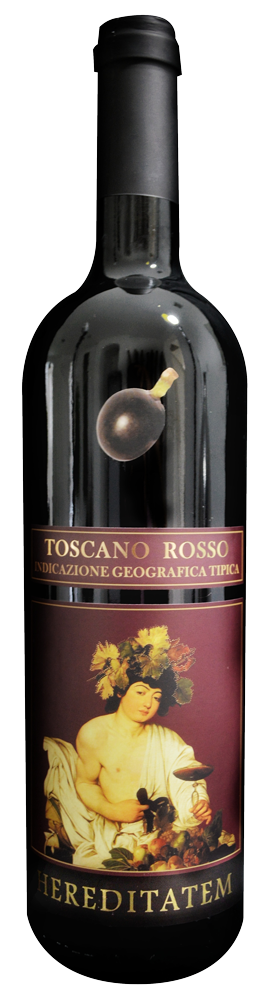
Tuscan wine (Italian Toscana) is Italian wine from the Tuscany region. Located in central Italy along the Tyrrhenian coast, Tuscany is home to some of the world’s most notable wine regions. Chianti, Brunello di Montalcino and Vino Nobile di Montepulciano are primarily made with Sangiovese grape whereas the Vernaccia grape is the basis of the white Vernaccia di San Gimignano. Tuscany is also known for the dessert wine Vin Santo, made from a variety of the region’s grapes. Tuscany has thirty-three Denominazioni di origine controllata (DOC) and eleven Denominazioni di Origine Controllata e Garantita (DOCG). In the 1970s a new class of wines known in the trade as «Super Tuscans» emerged. These wines were made outside DOC/DOCG regulations but were considered of high quality and commanded high prices. Many of these wines became cult wines. In the reformation of the Italian classification system many of the original Super Tuscans now qualify as DOC or DOCG winesbut some producers still prefer the declassified rankings or to use the Indicazione Geografica Tipica (IGT) classification of Toscana. Tuscany has five sub-categories of IGT wines today.
The history of viticulture in Tuscany dates back to its settlements by the Etruscans in the 8th century BC. Amphora remnants originating in the region show that Tuscan wine was exported to southern Italy and Gaul as early as the 7th century BC. By the 3rd century BC, there were literary references by Greek writers about the quality of Tuscan wine.[1] From the fall of the Roman Empire and throughout the Middle Ages, monasteries were the main purveyors of wines in the region. As the aristocratic and merchant classes emerged, they inherited the sharecropping system of agriculture known as mezzadria. This system took its name from the arrangement whereby the landowner provides the land and resources for planting in exchange for half («mezza») of the yearly crop. Many Tuscan landowners would turn their half of the grape harvest into wine that would be sold to merchants in Florence. The earliest reference of Florentine wine retailers dates to 1079 and a guild was created in 1282.
Lorem ipsum dolor sit amet, consectetur adipiscing elit. Aliquam porta, dui in consequat placerat, libero magna pretium sapien, quis bibendum massa nulla a tellus. Fusce pharetra felis vel magna lacinia, sed dapibus est faucibus. Donec nec urna placerat, bibendum enim id, venenatis ante.
- Region
- Sonoma Valley
- Altitude
- 555'
- Latitude
- 38° 25' 00.87``
- Longitude
- 122°32'32.08``
- Planted Varietals
- Merlot, Zinfandel
- Climate
- Morning fog and warm afternoons
- Soil
- Rocky soil upper block
Chianti
Tuscany is a region in central Italy. Its capital, Florence, is home to some of the world’s most recognizable Renaissance art and architecture, including Michelangelo’s «David» statue, Botticelli’s works in the Uffizi Gallery and the Duomo basilica. Its diverse natural landscape encompasses the rugged Apennine Mountains, the island of Elba’s beaches on the Tyrrhenian Sea and Chianti’s olive groves and vineyards.
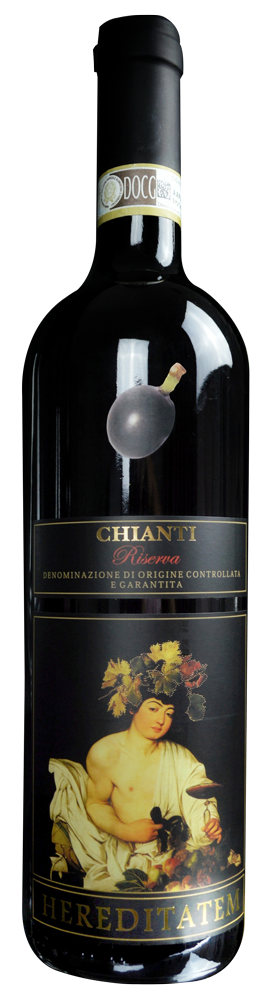
Chianti, the main wine region of Tuscany, encompasses 7,000 hectares of vineyards, and exports their different wines around the world. Once famed for its easy-drinking fiascos(bottles wrapped in straw baskets), the region now lays claim to some of the most important red wines in the world and certainly the best expression of the native Sangiovese grape you can find.
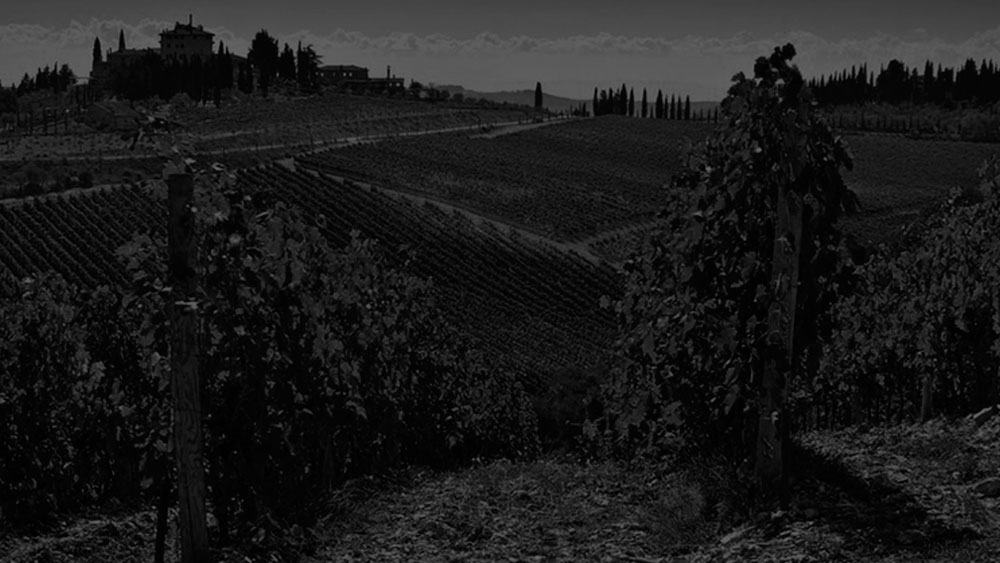
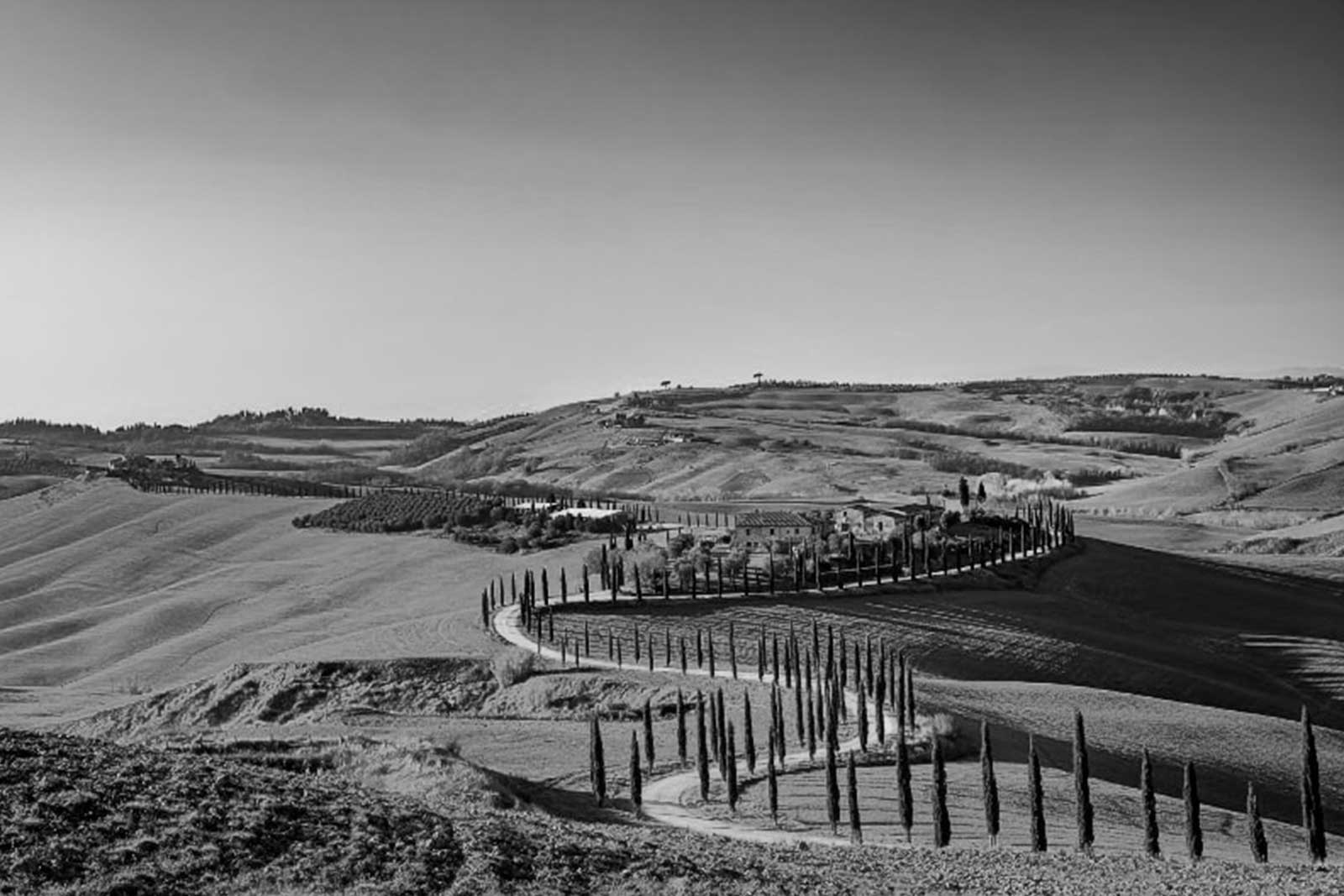
The region’s iconic rolling hills are what make Tuscany’s microclimates so suited to growing grapes. Microclimates are distinct climate zones within a region’s umbrella climate. They are often found in areas where hills block wind patterns, allow for sun to hit hillsides at different angles, and basically create a diversity of climates in the valleys between hills. Since Tuscany is 68 percent hills, Chianti’s sub-regions each feature unique, dominant flavors and profiles that can be tasted in the Sangiovese wines produced there.